Pause Lavender Farm
Hidcote English Lavender Plants | Compact Deep Purple Lavender
Hidcote English Lavender Plants | Compact Deep Purple Lavender
Lavender Garden Savings apply automatically.
Mix qualifying lavender varieties freely. No discount code required.
6 plants — $50 • 12 plants — $95 • 26 plants — $219
Couldn't load pickup availability
Preorder & Shipping Details
Preorder & Shipping Details
- Ships Spring 2027 (U.P. Spring)
- Plant shipping: $6.95 under $50; $8.95 from $50–$94.99; $12.95 from $95–$218.99; free at $219+
- Qualifying local orders of $25+ can choose Local delivery at checkout
- If your cart includes ready-to-ship goods and Spring 2027 plants, they may ship separately; shipping for each shipment is combined at checkout
- Mixed local orders may receive two deliveries at no additional charge
- Preorder pricing applies to young nursery-grown lavender plants reserved in advance
- In-season plant size and pricing may differ
Hidcote English Lavender
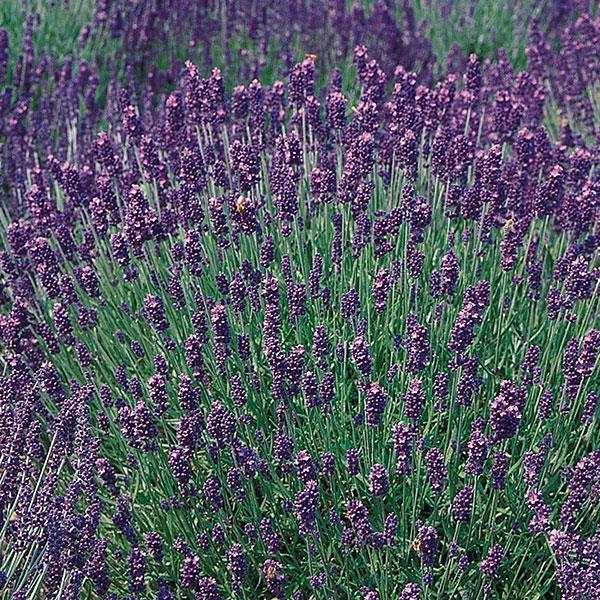
A strong choice for edging paths, containers, and smaller northern gardens where you want the classic compact English-lavender form and deep purple-blue bloom. Hidcote is highly fragrant and works well in ornamental, culinary, and pollinator gardens.
Reserve now for Spring 2027 delivery.
Grown for northern gardens • Ships during your spring planting window
What you receive: A young nursery-grown lavender plant, strongly rooted and approximately 4–6 inches tall at shipping. Our plants are propagated from mother plants that have successfully overwintered on our Upper Peninsula farm. Live plants naturally vary somewhat in size and appearance.
Lavender for gardeners who don't have Mediterranean winters. Northern success depends on more than a zone number: drainage, snow cover, freeze-thaw cycles, airflow, and spring moisture all matter. Farm winter survival is useful real-world experience, not a guarantee for every site.
Compare our lavender varieties.
Hidcote at a Glance
| Botanical Name | Lavandula angustifolia 'Hidcote' |
|---|---|
| Plant Type | English lavender |
| Plant Size at Delivery | Young, strongly rooted nursery-grown plant, approximately 4–6 inches tall |
| USDA Hardiness | Zones 5–9 |
| Sun Requirements | Full sun |
| Mature Size | Approximately 18–24 inches tall and wide |
| Flower Color | Deep purple-blue |
| Bloom Season | Late spring through summer |
| Soil & Drainage | Exceptionally well-drained soil; avoid low or consistently wet sites |
| Best Uses | Edging, borders, containers, culinary gardens, dried flowers, sachets, and pollinator gardens |
Why Grow Hidcote Lavender?
- Deep purple-blue flowers
- Compact growth for smaller landscapes
- Strong English-lavender fragrance
- Culinary use
- Excellent for fresh and dried flowers

Growing Hidcote Lavender in Michigan and Northern Gardens
Give Hidcote full sun and exceptionally well-drained soil. Sandy, gravelly, raised, or naturally fast-draining planting areas help reduce winter moisture around the roots. Avoid low areas where rain or spring snowmelt collects.
In northern gardens, drainage and winter moisture management can be just as important as minimum temperature. Good airflow around the plant also helps keep the crown drier through changing weather.
Perfect For
- Smaller northern gardens
- Path and border edging
- Containers
- Culinary and herb gardens
- Pollinator plantings
- Fresh and dried flowers
Grown at Pause Lavender Farm
Pause Lavender Farm grows and observes lavender in Michigan's Upper Peninsula, where winter cold, spring moisture, freeze-thaw cycles, drainage, snow cover, and wind all influence how a variety performs.
We continue testing and learning from our lavender each season rather than assuming every cultivar will respond the same way in northern conditions.
Planting and Care
Planting & Site Selection
Planting & Site Selection
Plant lavender in full sun, ideally where it receives at least 6–8 hours of direct sunlight each day.
Excellent drainage is essential. Choose raised or well-drained planting areas with sandy, gravelly, or otherwise fast-draining soil. Avoid locations where water sits around the roots, especially during winter and spring thaw.
Allow enough space between plants for good air circulation.
Watering & Pruning
Watering & Pruning
Water regularly while newly planted lavender becomes established. Once established, water deeply but less frequently and allow the soil to dry between waterings.
Prune lightly after flowering or when new growth begins in spring. Avoid cutting deeply into old woody stems.
Harvesting Lavender
Harvesting Lavender
For fragrance, drying, or culinary use where appropriate, harvest flower stems as the first flowers begin to open.
Cut stems in dry weather after morning moisture has evaporated. Bundle loosely and dry out of direct sunlight with good air circulation.
Grown at Pause Lavender Farm

Our lavender plants are grown at Pause Lavender Farm in Michigan’s Upper Peninsula using organic growing practices and without synthetic pesticides.
We grow lavender in a northern climate ourselves, so our plant selections and growing guidance are shaped by real experience with cold winters, drainage challenges, and short growing seasons.
