Pause Lavender Farm
Lavender Bee Balm - Monarda Pollinator-Friendly Perennial for Northern Gardens
Lavender Bee Balm - Monarda Pollinator-Friendly Perennial for Northern Gardens
Couldn't load pickup availability
Spring 2027 preorder. Ships bare-root. Local delivery plants will be potted.
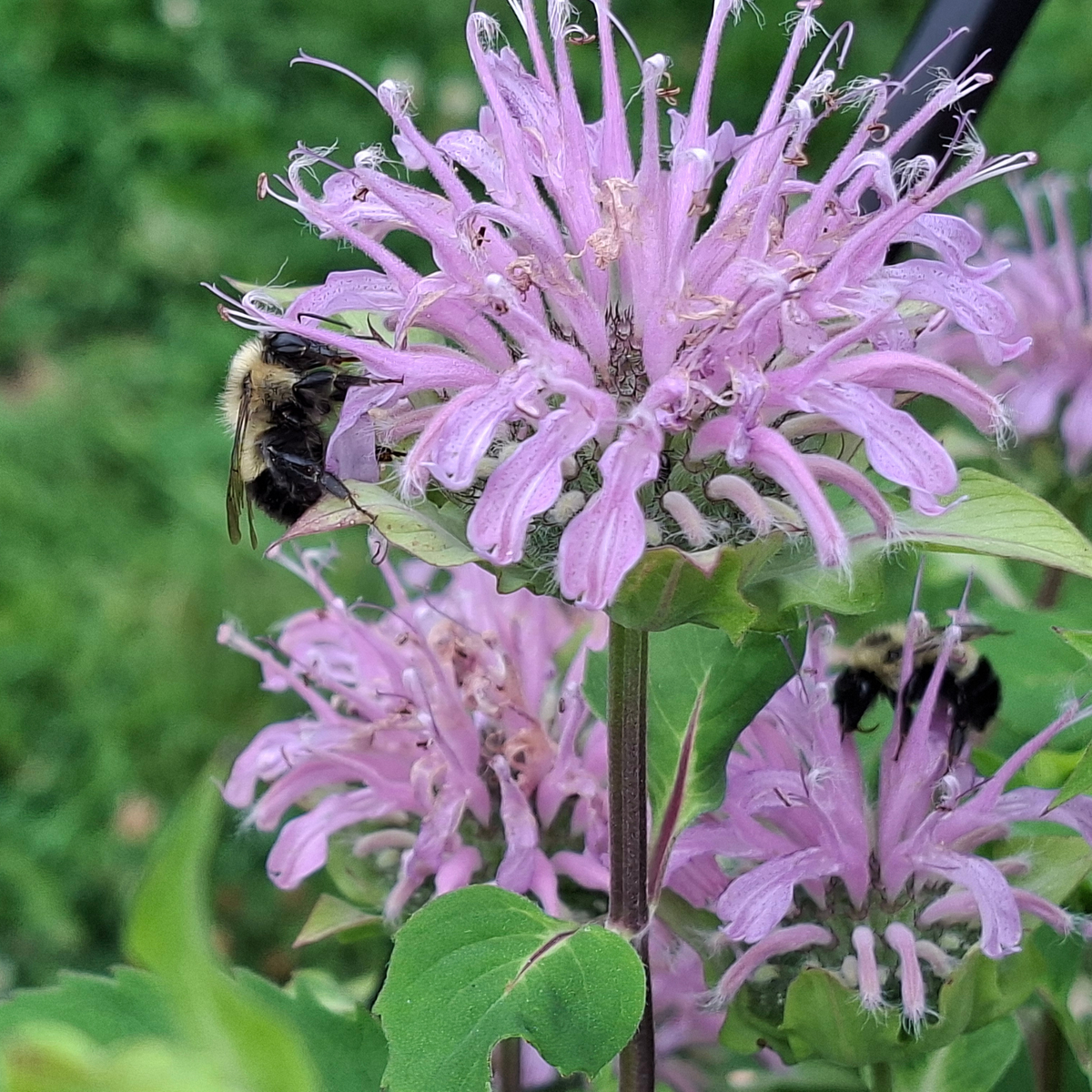
Bee balm a gorgeous, unique plant, that is a magnet for bees. Butterflies, hummingbirds and other pollinators try to visit, but bees ensure there is no vacancy.
We like bee balm because it adds height to the garden, and the blooms are unique.
Our Spring 2027 plants are being grown from cuttings and will be sold as young established starter plants.
Why We Grow It
- Excellent pollinator plant
- Especially attractive to bees
- Frequently visited by butterflies and hummingbirds
- Distinctive flowers add height and texture to the garden
- Works well in pollinator and cottage gardens
- Combines beautifully with lavender and other summer perennials
- Useful toward the middle or back of a perennial planting
- Returns year after year when grown as a hardy perennial type
- Excellent addition to a garden designed for a variety of pollinators
A Pollinator Garden Favorite
Bee balm earns its name.
The flowers are structured differently from the globe-shaped allium, daisy-like Black-Eyed Susan and tiny flowering oregano in our collection. That variety of flower shapes helps make a mixed pollinator garden more interesting both for people and for visiting insects.
Bee balm is particularly well known for attracting bees, butterflies and hummingbirds.
What You Receive
Shipped orders: One healthy rooted starter plant, shipped bare-root.
Local delivery: One rooted starter planted in a nursery pot and ready for planting.
The plant you receive will be smaller than a mature flowering specimen. It will develop additional stems and a larger flowering presence as it becomes established.
Growing Conditions
Light: Full sun is best; many bee balms tolerate some partial shade.
Soil: Moist but reasonably well-drained soil is generally preferred.
Water: Water regularly while establishing. Bee balm generally appreciates more consistent moisture than lavender and some of our drought-tolerant pollinator plants.
Growth habit: Upright flowering perennial
Bloom: Summer
Pollinators: Particularly attractive to bees, butterflies and hummingbirds
Garden position: Middle to back of perennial and pollinator beds, depending on mature size
Height: 2 to 4 feet or taller. Ours was just over 5 feet.
Pinching: Growers have some control over the height. You can pinch the plant back by up to a half in May or early June for a shorter, bushier, studier plant. Or you can skip pinching and have a taller plant that will need support.
Spreaders and self-seeders: Bee balm spreads by both reseeding and underground roots.
Give Bee Balm Some Air
Bee balm generally benefits from good air circulation. It is prone to powdery mildew.
When planting several plants together, avoid crowding them tightly against one another or surrounding them with extremely dense vegetation. Adequate spacing and airflow help keep foliage healthier.
In a Lavender & Pollinator Garden
Bee balm and lavender like different conditions, so we plant ours nearby in the same pollinator garden, but not in the same soil.
It pairs visually with:
- Lavender
- Allium
- Catmint
- Black-Eyed Susan
- Goldenrod
- Yarrow
- Greek oregano
- Other flowering perennials
- From Our Garden
Bee balm is part of our expanding collection of plants selected to create more varied pollinator gardens with different bloom periods, flower forms, heights and colors.
Price
$7 per rooted starter plant
Limited Spring 2027 availability.