Pause Lavender Farm
Black-Eyed Susan Plants | Rudbeckia Pollinator-Friendly Perennial for Northern Gardens
Black-Eyed Susan Plants | Rudbeckia Pollinator-Friendly Perennial for Northern Gardens
Couldn't load pickup availability
Spring 2027 preorder. Ships bare-root. Local delivery plants will be potted.
Black-Eyed Susans are bright, cheerful and stand out! They bloom when other flowers have stopped and are a statement that summer is still here - but fall is around the corner.
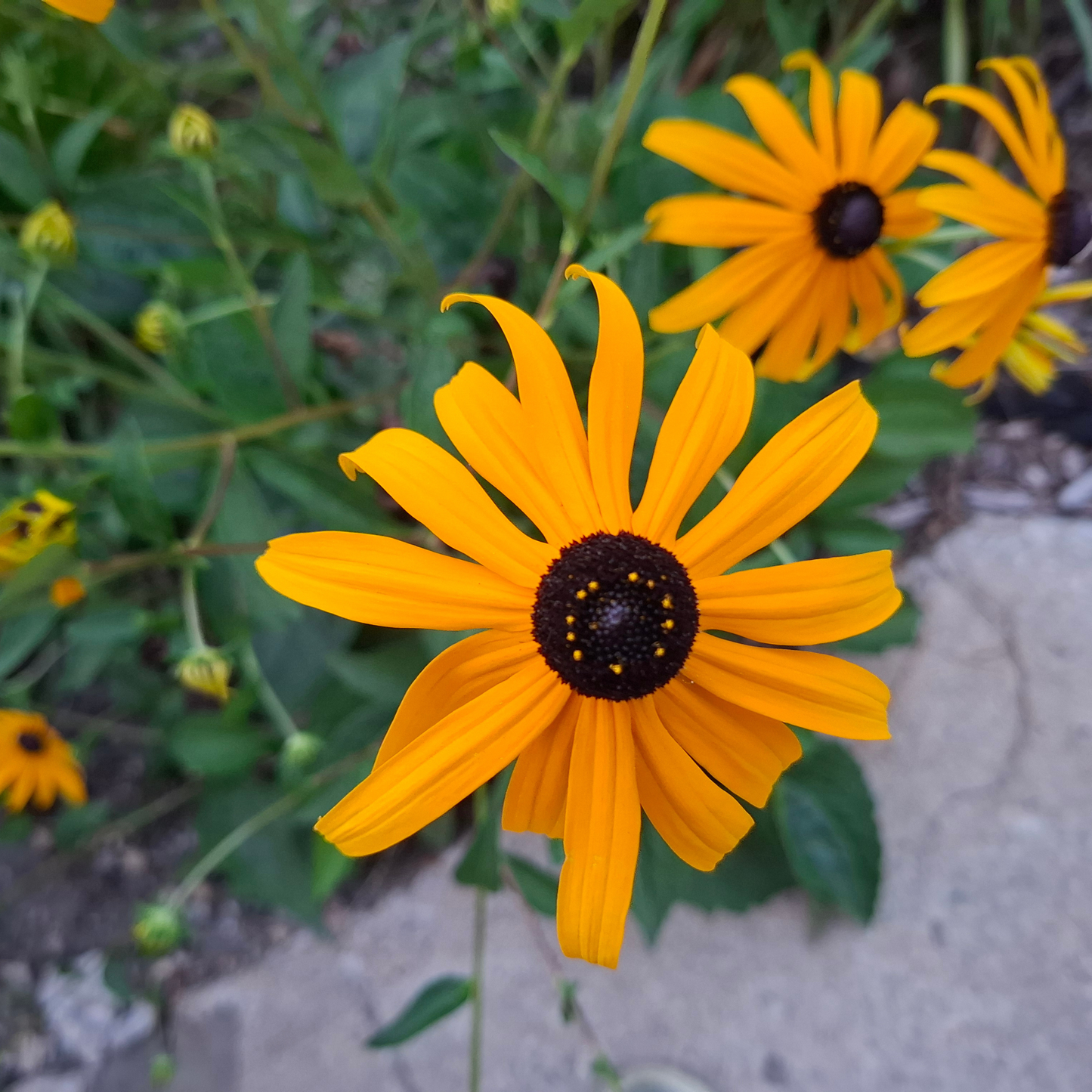
Rudbeckia has bright golden-yellow petals surrounding a dark center. Black-Eyed Susans are bold and beautiful but also a beneficial food source for bees, butterflies and other pollinators.
You are ordering one Black-Eyed Susan division from an established plant perfect for a pollinator garden, cottage garden, woodland garden, or perennial bed. Plant large groupings or sparingly throughout your garden.
These Black-Eyed Susans came to us years ago as divisions from an established family garden. The original cultivar name is unknown, so rather than assign a cultivar we cannot verify, we sell them simply as Black-Eyed Susan — Rudbeckia. They have proven themselves as reliable clump-forming perennials in our Upper Peninsula garden.
Why We Grow It
- Bright golden-yellow summer flowers are showstoppers
- Excellent pollinator plant
- Attractive to bees and butterflies
- Adds strong color among purple lavender, catmint and allium
- Works well in pollinator gardens
- Excellent for cottage and informal gardens
- Useful in mixed perennial beds and naturalized areas
- Flowers work well in casual cut-flower arrangements
- Easy to combine with many other sun-loving plants
- Grown successfully in our Upper Peninsula garden
A Classic Pollinator Garden Flower
- Black-Eyed Susans are a good pollinator plant because their open, daisy-like flowers make nectar and pollen easily accessible to insects.
- Their intense color and large flowers add something visually different to a pollinator garden.
- We like the contrast that a pop of yellow Black-Eyed Susans give to the delicate lavender, purple allium and catmint.
What You Receive
Shipped orders: One healthy rooted division, shipped bare-root with growing medium.
Local delivery: One rooted division in a nursery pot and ready for planting.
The plant you receive will be smaller than a mature flowering plant. It will develop and fill out after becoming established in the garden.
Growing Conditions
Light: Full sun is best
Soil: Adaptable, but performs best in reasonably well-drained soil
Water: Water regularly while establishing. Established plants tolerate periods of drier soil.
Uses: Pollinator garden, cottage garden, perennial border, cut flowers
Pollinators: Attractive to bees, butterflies and other beneficial insects
Growth habit: Upright, clump-forming perennial
Bloom: Summer into late summer
Flower color: Golden yellow with dark brown centers
Garden position: Middle of a sunny perennial or pollinator bed
Height: 24 inches to 36 inches
Width: spreads
Let the Seed Heads Stay
Black-Eyed Susans can continue contributing to the garden after flowering has finished.
When appropriate, we like to leave some of the dried flower heads standing rather than immediately cutting everything back.
The dark seed heads add fall and winter interest and can provide seed for birds.
They can be cut back when the garden is cleaned up for the next growing season.
In a Lavender & Pollinator Garden
Black-Eyed Susan is particularly useful in a mixed planting because of its color.
Our lavender, catmint and allium bring a lot of purple and blue into the garden. The golden-yellow flowers of Black-Eyed Susan create a bright contrast and help a mixed pollinator garden look intentional rather than like a collection of unrelated plants.
It pairs especially well with:
- Lavender
- Purple allium
- Catmint
- Greek oregano
- Bee balm
- Yarrow
- Goldenrod
- Roses
- Other sunny pollinator perennials
From Our Garden
The plants we offer are part of the expanding pollinator plant collection at Pause Lavender Farm in Michigan's Upper Peninsula. All the pictures here are plants from our garden - not stock photos.
Our goal with the collection is not simply to offer plants that flower, but to give gardeners choices with different colors, heights, flower shapes and bloom periods so they can create a more varied garden for themselves and for pollinators.
Price
$7 per plant
Limited Spring 2027 availability.